
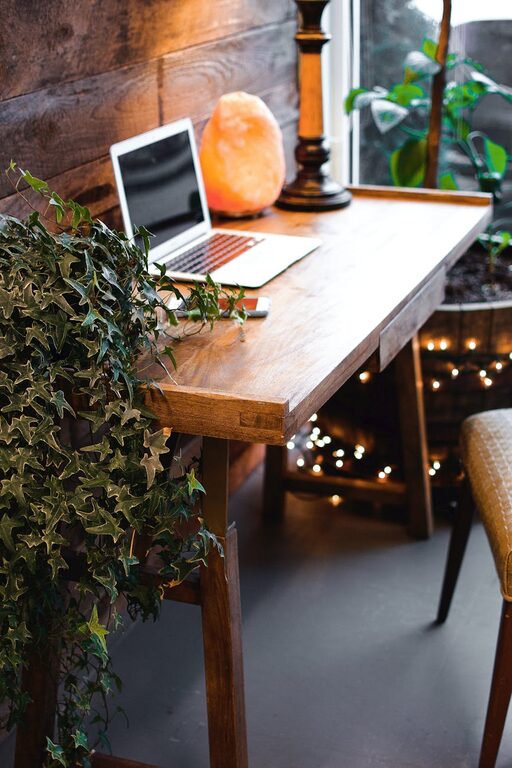
Creating a home office that feels cosy and inviting can transform the way you work. When your workspace is comfortable and personalised, it encourages focus and creativity while reducing stress. Whether you have a dedicated room or a small corner, with a bit of planning, you can design a home office that suits your style and needs.
In this post, we’ll explore practical tips to help you build a cosy and inviting home office space that promotes productivity and wellbeing.
Choose the Right Location
Consider Natural Light
Natural light is one of the best elements to include in your home office. If possible, position your desk near a window to enjoy daylight, which can improve mood and energy levels. Avoid placing your screen directly in front of the window to reduce glare, but side lighting works well.
Minimise Distractions
Select a quiet area away from busy parts of your home. This helps create a boundary between work and home life. If you have limited space, consider using room dividers or screens to separate your workspace visually.
Invest in Comfortable Furniture
Ergonomic Chair and Desk
Comfortable seating is essential for long hours at your desk. Opt for an ergonomic chair that supports good posture and adjustability. Your desk height should allow you to type with relaxed shoulders and your feet grounded.
Multi-functional Furniture
If space is tight, choose furniture that serves multiple purposes, such as desks with storage drawers or shelves. This helps keep your area organised and clutter-free.
Personalise Your Space
Add Soft Textiles
Incorporate soft furnishings like cushions, throws, or a small rug. These add warmth and texture, making your office feel homelier.
Display Personal Items
Photos, art prints, or meaningful keepsakes can make the space more inviting. However, keep these items to a minimum to avoid clutter.
Use Calming Colours and Lighting
Choose Relaxing Colours
Soft, neutral colours such as pale blues, greens, or warm greys can create a soothing environment. Avoid overly bright or harsh colours that might cause visual fatigue.
Layer Your Lighting
Combine ambient lighting with task lighting. A desk lamp with adjustable brightness allows you to focus on your work, while overhead or floor lighting creates a welcoming atmosphere. Consider warm-white bulbs rather than cool-white tones for a cosy feel.
Keep It Organised
Storage Solutions
Use shelves, boxes, or filing cabinets to keep documents and supplies tidy. Label your storage to find what you need quickly.
Cable Management
Use clips, ties or boxes to organise cables and prevent them from tangling. A clean desk surface can help reduce distractions.
Incorporate Greenery
Choose Easy-care Plants
Indoor plants not only boost aesthetics but improve air quality. Succulents, snake plants, or pothos are low-maintenance choices that thrive indoors.
Positioning Plants
Place a plant on your desk or nearby shelves to bring natural elements into your workspace. Be mindful to choose plants that thrive in your room’s light conditions.
Create Zones for Different Tasks
Separate Work and Break Areas
If space permits, create distinct zones. Use one area strictly for work and another for breaks or reading. This physical separation can help switch between focus and relaxation modes.
Use a Corkboard or Whiteboard
Visual tools can help keep your tasks organised and your goals in view. They also add character to your space.
Add Personal Comfort Touches
Temperature Control
Ensure your office has adequate ventilation and temperature control. A small fan or heater can keep the room comfortable year-round.
Background Sounds
Consider gentle background music or a white noise machine for concentration. Many apps offer playlists designed specifically for focus.
—
Final Thoughts
Transforming your home office into a cosy and inviting space is about balancing comfort, functionality, and personal style. With these tips, you can create an environment that makes work more enjoyable and efficient. Small changes, from lighting to plants, can make a big difference in your daily routine and overall wellbeing.
Start with the basics, then personalise and adjust your office over time to suit your evolving needs. A well-designed workspace is an investment in your productivity and happiness.